 University of North Texas

Who We Are
At the intersection of interdisciplinary research and creative spark, our college is shaping the engaged citizens and scholars of tomorrow, now. We foster a culture of curiosity and innovation, providing an agile education designed for a globalized world. We don't just teach; we empower. By pairing world-class faculty with immersive, hands-on learning, we bridge the gap between classroom theory and real-world application.
In a rapidly changing world, College of Liberal Arts and Social Sciences students build the essential skills — critical thinking, cultural agility, and relentless inquiry — needed to forge successful careers and lead lives of profound purpose. Whether you're analyzing global trends or mastering media arts, you are here to improve the human experience.
Download Full Plan College of Liberal Arts and Social Sciences
Our Strategic Goals (2026–2030)
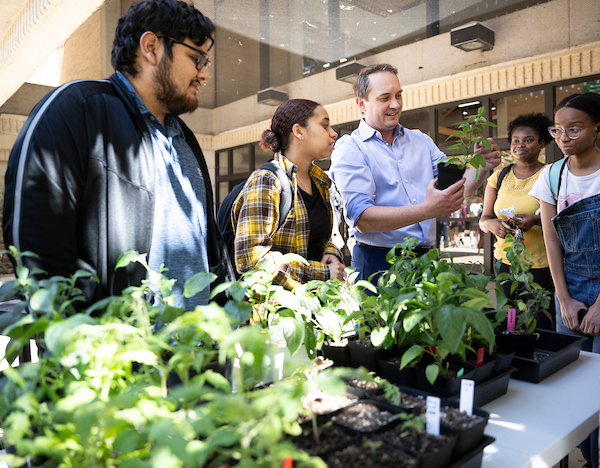
Transform student success
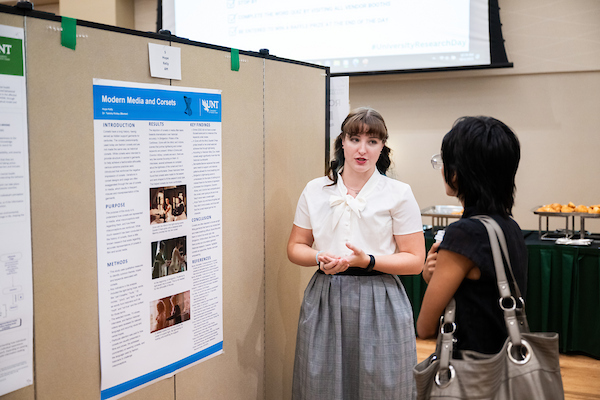
Advance interdisciplinary and publicly engaged research
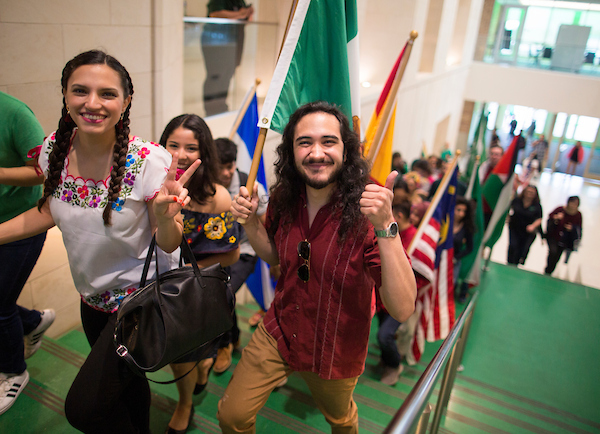
Strengthen engagement and impact with communities
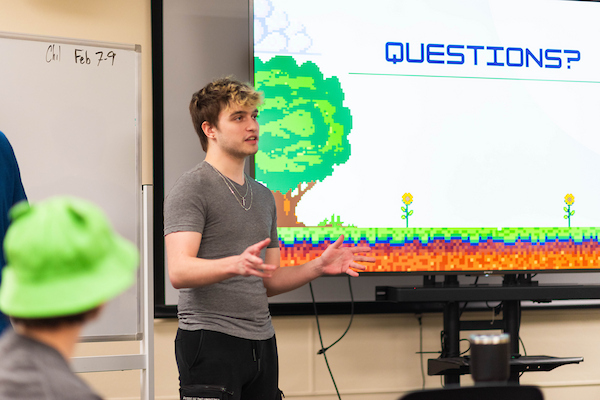
Advance innovative and impactful instruction
Our Implementation Priorities
-
Advance interdisciplinary and publicly engaged research and creative work: CLASS will grow external grant submissions and total funding value, expand student participation in digital showcases and annual conferences, and engage 25% of divisional faculty in centers of excellence including the Impact Lab, Lab for Engaged, Applied, and Public Humanities (LEAPH), and COMMONS. The college targets a 25% increase in grant submissions and 30% growth in student research showcase participation by May 2027.
-
Strengthen student success and curricular revision: CLASS will train 95% of academic and faculty advisors on future-focused career options and transferable skills relevant to each discipline, launch peer mentoring communities across each department, and improve tracking and public reporting of post-graduation employment and graduate school placement to demonstrate the value of a CLASS degree.
-
Drive innovative and impactful instruction: CLASS will audit courses across the college for AI literacy and career-aligned learning integration, establish a 15% baseline of courses for curriculum revision, and develop marketing materials for credentials of value. The college will increase the share of faculty using high-impact teaching practices and build toward universal AI literacy integration by 2029.
Core Metrics
UNT Baseline (2024/25): 77% | UNT Target (2030): 90%
CLASS Baseline (2024/25): 78.5% | CLASS Target (2030): 90%
College contribution to achieving targets:
- CLASS enhances retention through peer mentoring, co-curricular clubs, and stronger faculty-advising connections. Advisors will be trained on career options and durable skills relevant to each discipline.
UNT Baseline (2024/25): 42% | UNT Target (2030): 65%
CLASS Baseline (2024/25): 49.6% | CLASS Target (2030): 65%
College contribution to achieving targets:
- CLASS advances four-year completion through peer mentoring communities, co-curricular engagement, and strengthened faculty-advising connections across all departments.
UNT Baseline (2024/25): 61% | UNT Target (2030): 80%
CLASS Baseline (2024/25): 63.2% | CLASS Target (2030): 80%
College contribution to achieving targets:
- CLASS supports six-year completion through structured advising, peer mentoring, and expanded student supports including summer enrollment pathways for students who need additional time.
UNT Baseline (2024/25): $124M | UNT Target (2030): $250M
CLASS Baseline (2024/25): $12.9M | CLASS Target (2030): $23M
College contribution to achieving targets:
- CLASS aims to increase external grant submissions and total funding. The college supports faculty through digital showcases, conferences, and public forums that elevate research visibility.
UNT Baseline (2024/25): 286 | UNT Target (2030): 300
CLASS Baseline (2024/25): 45 | CLASS Target (2030): 55
College contribution to achieving targets:
- CLASS aims to increase doctoral graduates by 1.5% annually through expanded research support, student-facing grant funding, and faculty-led mentorship in graduate programs.
UNT Baseline (2024/25): 6 years | UNT Target (2030): Decrease time for programs over
median
CLASS Baseline (2024/25): Median = 7 years | CLASS Target (2030): 6 years
College contribution to achieving targets:
- CLASS advances time to value by developing market-driven credentials, expanding career-aligned learning opportunities, and building pathways from academic programs to high-demand careers.
Emergent Metrics
Important Dimensions of Our Success that Require New Approaches
Percentage of graduates placed in high-demand occupations or graduate and professional programs
Post-graduation outcomes are not consistently tracked across all college units and are not regularly updated at this time. CLASS is improving tracking systems and plans to publicly share data on post-graduation employment and graduate school placement rates to demonstrate the visible value of a CLASS degree.
Percentage of academic programs that integrate internships, industry-sponsored projects, or other work-integrated learning experiences
Developing a more comprehensive baseline understanding of career-aligned learning integration across CLASS programs is a strategic priority going forward. The college is working toward a goal of 85% of academic programs having formalized pipelines for internships, industry-sponsored projects, and other career-aligned learning experiences.
Prestigious awards, exhibitions, and performances achieved by our students, faculty, staff, and alumni
The college has existing data on awards and recognitions achieved by students, faculty, staff, and alumni. CLASS supports visibility of these achievements through digital showcases, conferences, and public forums.
New ventures, startups, and public impact projects launched by students, faculty, and alumni
Developing a more comprehensive baseline understanding of innovation and entrepreneurship outcomes is part of the strategic plan going forward. CLASS is working to track student and faculty participation in new ventures, startups, and public impact projects.
Perceptions of how well UNT prepares graduates to pursue lives of meaning and purpose
Developing a more comprehensive baseline understanding of student and alumni engagement is part of the strategic plan going forward. CLASS is building mechanisms to measure how well its programs prepare graduates to pursue careers and lives of meaning and purpose.
College Level Metrics
- External grant submissions and funding value: Tracks the volume and total monetary value of competitive grant applications submitted to federal, state, and private entities to measure and sustain scholarly innovation.
- Semester credit hour (SCH) completion: Tracks student ratios of attempted versus successfully completed credit hours per term as an indicator of academic progress and persistence.
- Drop/fail/withdraw/incomplete (DFWI) rates: Tracks the percentage of students receiving DFWIs in specific courses to identify persistent bottlenecks for student progression toward degree completion.
- Advising quality interaction metrics: Evaluates the volume, quality, and effectiveness of academic coaching and faculty mentorship connections, including total students advised, unique majors processed, and cumulative advising time delivered.
- Average term and cumulative GPA: Tracked continuously to measure academic standing and evaluate student performance across the college.
- Major changes: Tracks the frequency and timing of FTIC and transfer students shifting their declared majors, used to inform advising interventions and program alignment.
- Summer session enrollment success: Tracks the persistence, graduation, and GPA outcomes of students who use summer courses, with particular focus on those who struggled academically during their first traditional academic year.
- Philanthropic support and external foundation funding: Tracks annual fundraising totals, alumni giving rates, and external foundation grants secured to support strategic initiatives and student scholarships.
- Events and public engagement: Measures attendance, geographic reach, and qualitative influence of public-facing deliberation platforms, distinguished lectures, and civic engagement forums.
- Student research and creative activity participation: Tracks the number of undergraduate and graduate students engaged in formalized research projects, creative exhibitions, or digital showcase presentations.
- Faculty research output: Tracks books, articles, digital works, and other scholarly and creative contributions by CLASS faculty.
- Student feedback and satisfaction: Evaluated at the conclusion of programs to measure perceived impact and identify shifting engagement patterns.