 University of North Texas

Who We Are
UNT’s Division of Student Affairs enriches the student experience by offering programs, services, and opportunities that support student success in and out of the classroom. With a focus on holistic development, we provide resources that enhance student wellbeing, foster community engagement, and empower students to thrive academically, socially, and professionally. From leadership programs and peer mentorship to wellness initiatives and career readiness, we are committed to helping students grow as individuals while preparing them for success in their future careers. The Division of Student Affairs is a vital partner in shaping the complete student journey at UNT.
Our Strategic Goals (2026–2030)
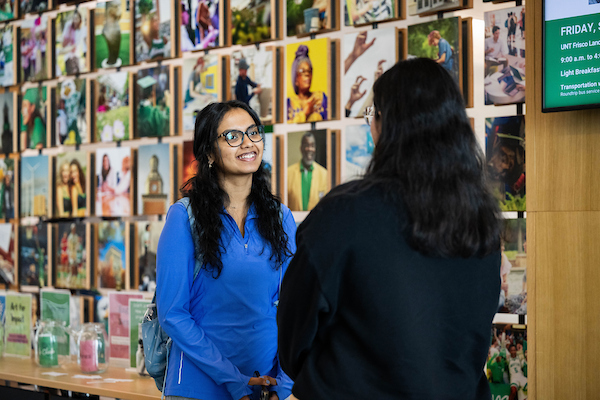
Every student has a person they can turn to
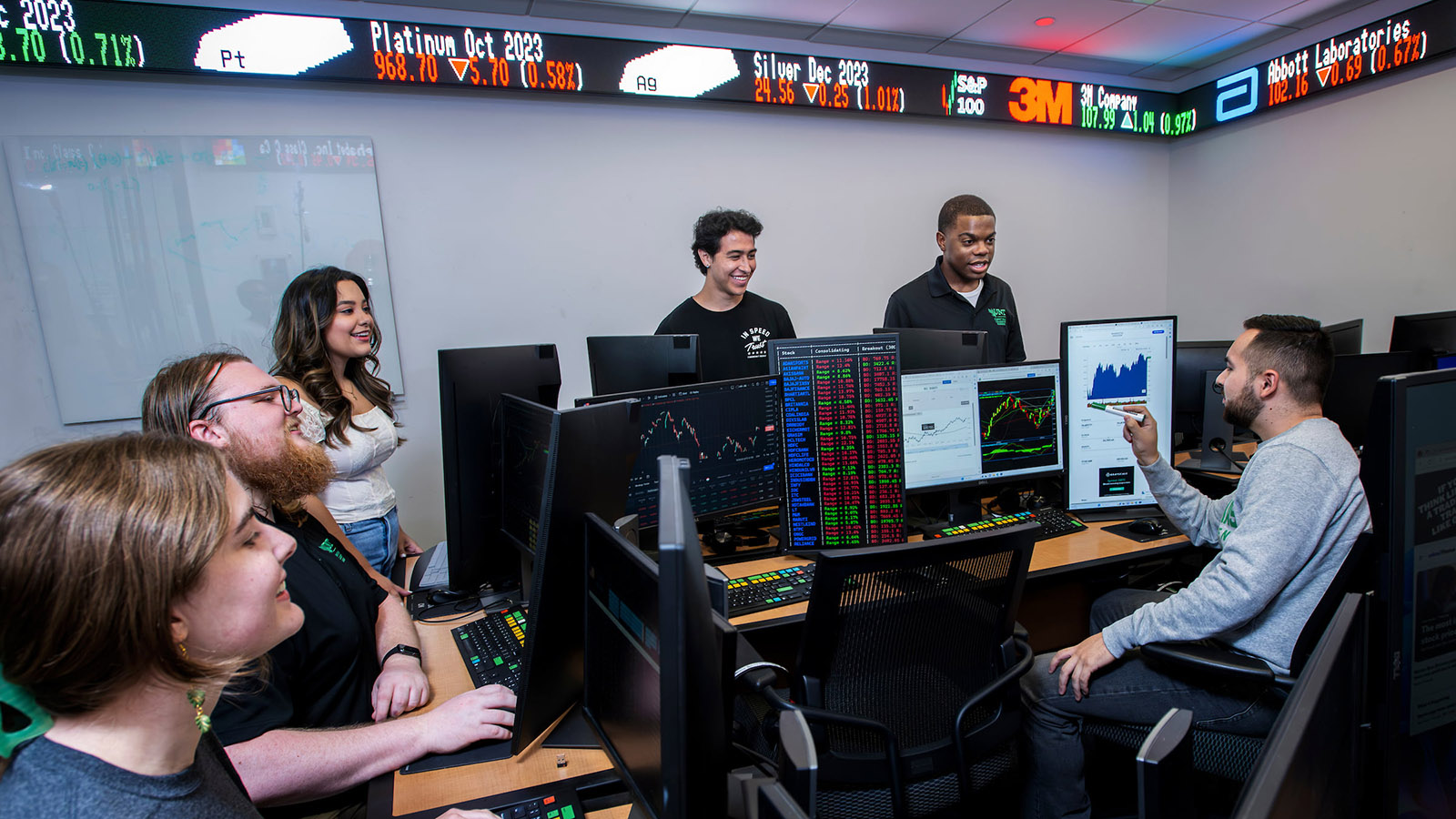
Every student graduates with the skills their industry demands
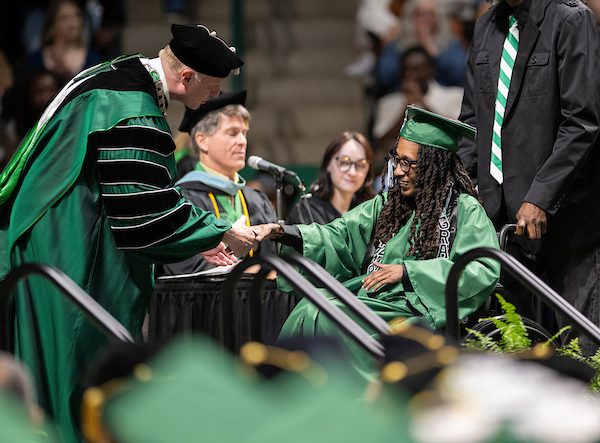
Every student has the resources and support needed to thrive
Our Implementation Priorities
-
Mentoring for every first-year student: Expanding and strengthening existing mentoring programs to ensure all FTIC and transfer students are assigned a mentor by Fall 2026, with targeted early outreach to at-risk students in the first six weeks of each semester.
-
Holistic wellbeing and basic needs support: Delivering evidence-based bystander intervention programming, embedding basic needs screenings in coaching sessions, and opening a Basic Needs Hub by Spring 2027 to expand food, housing, and wellness resources for students facing financial and housing instability.
-
Skill-based experiences for first-year students: Reaching 65% of FTIC students and 35% of transfers with at least one documented, skill-based experience by August 2027, with a path to 90% by 2030. Centralizing experiential learning communications and leveraging card swipe and Salesforce to track competency development and career engagement.
Core Metrics
UNT Baseline (2024/25): 77% | UNT Target (2030): 90%
Unit contribution to achieving targets:
- Mentoring for all FTIC and transfer students in year one; holistic wellbeing support to remove basic needs barriers and keep students connected and on track.
UNT Baseline (2024/25): 42% | UNT Target (2030): 65%
Unit contribution to achieving targets:
- Sustained mentoring, skill-based first-year experiences, and basic needs support across the full student journey to improve persistence and on-time completion.
UNT Baseline (2024/25): 61% | UNT Target (2030): 80%
Unit contribution to achieving targets:
- Sustained mentoring, skill-based first-year experiences, and basic needs support across the full student journey to improve persistence and on-time completion.
UNT Baseline (2024/25): $124M | UNT Target (2030): $250M
Unit contribution to achieving targets:
- N/A
UNT Baseline (2024/25): 286 | UNT Target (2030): 300
Unit contribution to achieving targets:
- Wellness services, emergency financial assistance, and professional networking opportunities help graduate students stay enrolled, focused, and productive.
UNT Baseline (2024/25): 6 years | UNT Target (2030): Decrease time for programs over median
Unit contribution to achieving targets:
- Mentoring, career-aligned experiences, and skill-building in year one help students move efficiently through their education toward meaningful career outcomes.
Emergent Metrics
Important Dimensions of Our Success that Require New Approaches
Percentage of graduates placed in high-demand occupations or graduate and professional programs
Using platforms like Steppingblocks to track graduate outcomes and connect co-curricular experiences to career pathways, informing both student advising and program design.
Percentage of academic programs that integrate internships, industry-sponsored projects, or other work-integrated learning experiences
Tracking internship and career engagement participation via Handshake and card swipe data; Career Center supports first- and second-year students through Career Readiness Journeys, career fairs, and individualized coaching.
Prestigious awards, exhibitions, and performances achieved by our students, faculty, staff, and alumni
Tracking staff achievements through national and regional association awards and celebrating internal excellence through the Division of Student Affairs Awards and Recognitions program.
New ventures, startups, and public impact projects launched by students, faculty, and alumni
N/A
Perceptions of how well UNT prepares graduates to pursue lives of meaning and purpose
Drawing on SERU, NSSE, WISHES, the First Destination Survey, and additional surveys across the student lifecycle to measure how effectively UNT prepares students to succeed in their careers and in life.
Unit Level Metrics
- Card swipe engagement data: Objective, real-time data on how students engage across campus, tracking who shows up, how often, and where. Supports a high-support predictive retention model to identify at-risk students and enables year-over-year program evaluation by linking engagement frequency to retention and academic outcomes.
- Counseling Center and Student Health Center data: Tracks student wellness trends, service utilization, and outcomes over time. Allows for proactive, evidence-based adjustments to staffing, programming, and prevention efforts, including whether counseling interventions are producing meaningful improvements for students.
- Logic model assessment: More than 50 departmental and program-level logic models connect Student Affairs efforts to specific student outcomes, aligned with career competencies and the wellness wheel. Enables ongoing program evaluation and continuous refinement to focus resources on highest-impact work.